

Ever wonder why certain lawns in your Spring, Texas neighborhood always look picture-perfect while yours seems stuck in perpetual mediocrity? You water regularly, maybe even fertilize, yet your grass never achieves that crisp, professional appearance you admire on other properties.
The difference isn’t luck or expensive equipment alone. Professional lawn mowing requires specific techniques, timing, and knowledge that most homeowners lack. Understanding these methods can transform an ordinary lawn into an extraordinary landscape feature.
The Science Behind Professional Mowing Success
Many people view grass cutting as a simple weekend chore. Cut it short, cut it less often – seems logical, right? Professional crews are aware that this approach damages grass health and appearance.
Each mowing session affects root development, disease resistance, and overall turf density. Professional techniques work with natural grass biology rather than against it. When appropriately executed, regular mowing strengthens grass plants, creates thick coverage that prevents weeds, and produces that sought-after uniform appearance.
Professional crews understand that grass is a living system requiring careful management. Every cut influences photosynthesis, water retention, and nutrient absorption. This knowledge separates amateur weekend mowing from proper professional lawn management.
Texas Grass Varieties and Their Specific Requirements
The Houston metropolitan area features distinct grass types, each requiring different care approaches. Professional services recognize these differences and adjust techniques accordingly.
- St. Augustine Grass: This regional favorite performs best when maintained between 2.5 and 4 inches. St. Augustine handles humidity well and dominates local landscapes. During active growing periods from March through October, this grass type requires consistent attention to prevent overgrowth.
- Bermuda Grass: This durable variety thrives with shorter cuts, typically 1 to 2 inches in length. Bermuda grass tolerates heavy use and extreme heat, making it ideal for active households. Its aggressive growth pattern requires frequent professional maintenance during peak season.
- Zoysia Grass: This premium option looks exceptional when kept at 1 to 2.5 inches. Zoysia demands precise cutting techniques to maintain its dense, luxurious texture. Though drought-tolerant, it requires expert handling for optimal results.
Professional Mowing Frequency: Timing That Makes the Difference
The question “How often should a lawn be mowed professionally?” depends on multiple variables. Growth rates fluctuate based on weather, grass type, and seasonal patterns.
During Texas’s growing season (April through September), weekly service typically produces the best results. However, professionals monitor actual growth rather than following rigid schedules. The fundamental “one-third rule” guides all cutting decisions – never remove more than one-third of blade height in any single session.
If grass grows from 3 inches to 4.5 inches over seven days, cutting back to 3 inches removes exactly one-third and maintains plant health. Exceeding this ratio stresses grass and creates vulnerability to disease and pest problems.
The winter months often require bi-weekly service, as growth slows significantly. Spring brings rapid development, sometimes necessitating twice-weekly cuts. Professional teams adjust schedules based on actual conditions rather than predetermined calendars.
Consistent professional service prevents the damaging cycle many homeowners create. Skipping weeks and then cutting aggressively shocks grass systems. Regular professional attention maintains steady, healthy development.
Seasonal Height Adjustments: Summer vs. Winter Strategies
Texas weather extremes require different cutting approaches throughout the year. Professional crews adjust heights according to seasonal stress factors and grass dormancy patterns.
- Summer Management: During intense heat periods (June through August), professionals raise cutting heights approximately half an inch above normal. Extra blade length shades soil, reduces water loss, and protects root systems from temperature stress. St. Augustine might be maintained at 3.5 to 4 inches in height, instead of the standard 3 inches.
- Winter Protocols: As grass enters dormancy in December and January, professional services lower heights slightly. This prevents matting under fallen debris and improves air circulation around dormant plants. However, scalping never occurs, as this damages crown areas and invites weed invasion.
- Transition Seasons: Spring and fall require moderate heights, promoting healthy growth without plant stress. Spring cutting encourages dense development that naturally suppresses weeds. Fall preparation readies lawns for dormancy periods.
Professional crews understand these aren’t absolute rules. They adjust based on current weather, recent rainfall, and observed grass health conditions.
Professional Equipment: Tools That Deliver Superior Results
Walk behind professional crews and notice immediate differences in their equipment. Commercial-grade tools produce results that consumer mowers cannot match.
- Commercial Walk-Behind Units: These heavy-duty machines feature more expansive cutting decks (36 to 48 inches) and more powerful engines. Built to handle thick, dense grass without performance loss, they maintain consistent speed and cut quality. Multiple height adjustments accommodate different grass types within a single property.
- Zero-Turn Mowers: Larger properties benefit from zero-turn units that navigate obstacles with precision. These machines create perfect striped patterns while maintaining uniform height across entire areas. Professional operators use these tools to maximize efficiency without sacrificing quality.
- Blade Maintenance Programs: Professional teams sharpen or replace blades frequently, often every 20 to 25 operating hours. Sharp blades create clean cuts that heal quickly and resist disease. Dull blades tear grass, leaving brown edges that invite problems.
- Edging and Trimming Tools: Commercial-grade edgers and string trimmers create crisp boundary lines along hardscapes and landscape beds. These finishing details separate amateur work from professional results.
Lawn Stripes: Beauty That Benefits Grass Health
Those attractive striped patterns on professional lawns serve purposes beyond visual appeal. Many homeowners wonder, “Are lawn stripes bad for grass health?” The answer is quite the opposite when done correctly.
Striping occurs when grass blades bend in different directions during mowing. Light reflects differently off bent grass, creating alternating light and dark bands. This bending actually strengthens healthy grass over time rather than damaging it.
Professional crews create stripes by varying mowing directions with each service visit. Week one might follow north-south patterns, week two east-west, and week three diagonal angles. This rotation prevents soil compaction and encourages upright grass development.
The key lies in systematic pattern rotation rather than repetitive approaches that could create weak spots or ruts. Professional teams track their patterns and rotate methodically. They also avoid stripping stressed or unhealthy grass that might not tolerate the bending process.
Step-by-Step Professional Mowing Process
Professional crews follow systematic procedures, ensuring consistent quality results on every property visit.
- Initial Property Assessment: Teams survey the area for obstacles, pet waste, and variations in grass condition. They identify zones that require special attention or different cutting heights based on the health of the grass or its type.
- Equipment Setup: Mowers receive height adjustments, blade inspections, and fuel checks. Safety gear is verified, and crews review property-specific notes or client preferences.
- Pattern Implementation: Actual mowing follows planned routes, maximizing efficiency while protecting grass health. Professional crews overlap slightly, ensuring complete coverage without cutting sensitive areas twice.
- Finishing Work: After main cutting, crews handle edging, obstacle trimming, and cleanup of scattered clippings from walkways or driveways.
- Quality Control: Before departing, teams conduct final inspections to ensure the work meets established standards and that properties look their best.
Year-Round Considerations for Texas Lawns
Texas climate variations require flexible approaches throughout the year. Professional services adapt methods based on seasonal challenges and opportunities.
- Spring Activation: As dormant grass awakens, professional crews focus on promoting thick, healthy regrowth. This may involve more frequent cutting and slightly elevated heights, which encourage root development and density.
- Summer Survival: During brutal Texas heat, professional schedules often shift to early morning or evening hours, reducing stress on grass and crews. Heights increase, and teams monitor for heat stress indicators.
- Fall Preparation: Professional teams use autumn mowing to prepare lawns for winter dormancy. This includes leaf removal, preventing grass smothering, and height adjustment, optimizing winter health.
- Winter Maintenance: Even during dormancy, occasional cutting may be necessary for maintaining appearance and preventing thatch. Professional crews recognize when dormant grass needs attention and know when to avoid disturbing it.
Avoiding Common DIY Mistakes
Years of observing homeowner mowing reveal consistent mistakes that professionals easily avoid. Understanding these errors helps explain why professional services produce dramatically different results.
- Excessive Cutting: The most damaging mistake involves cutting grass too short, believing this reduces the need for mowing frequency. This actually weakens plants and increases watering and fertilizing requirements.
- Pattern Repetition: Mowing in identical directions creates ruts and encourages angled grass growth. Professional crews systematically rotate patterns, preventing these problems.
- Blade Neglect: Many homeowners operate entire seasons without blade sharpening. Professional crews maintain sharp cutting edges, creating clean cuts and healthier grass.
- Weather Ignorance: Mowing during inappropriate conditions stresses lawns and produces poor results. Professional crews’ time works for optimal grass health and safety.
Long-Term Benefits of Professional Mowing
Consistent professional mowing creates cumulative advantages that become more apparent over time. Initial improvements in appearance evolve into more profound health benefits, requiring less intervention overall.
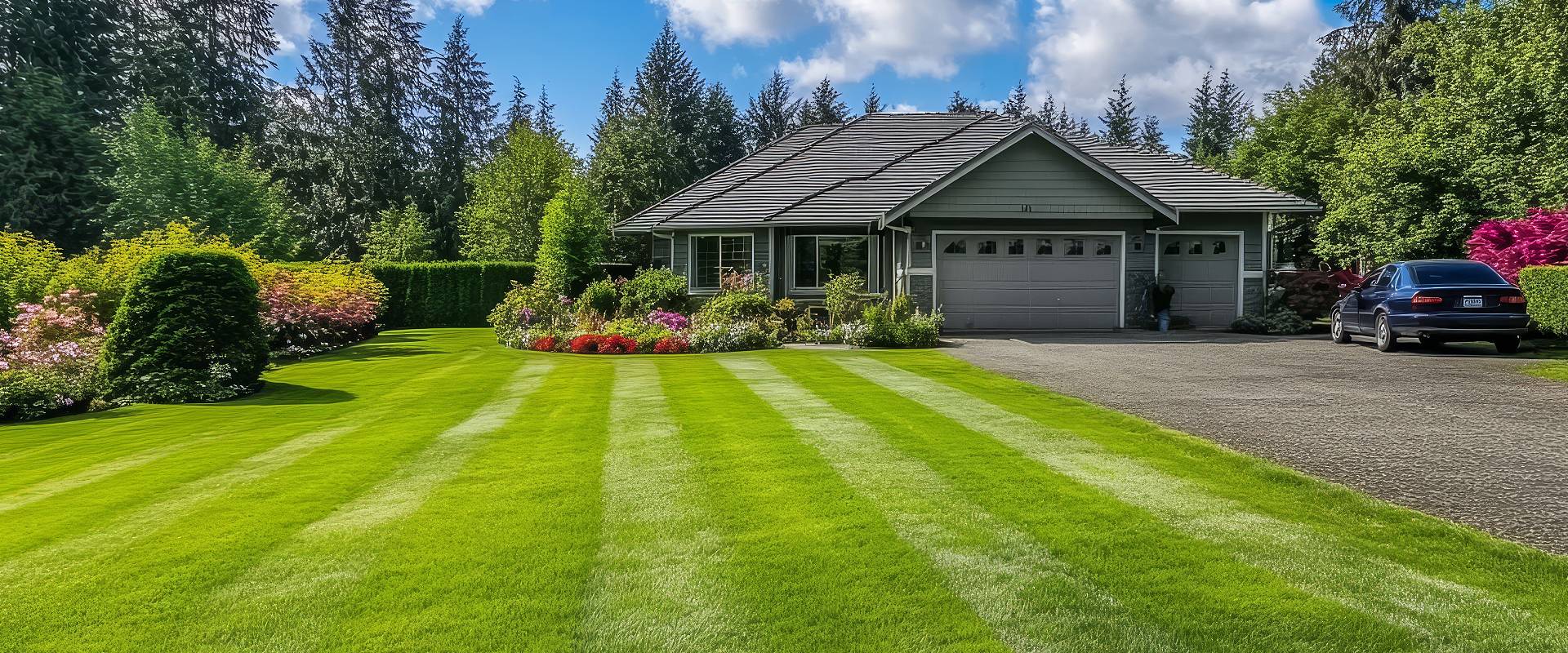
Professional cutting reduces weed pressure by maintaining thick grass coverage that naturally suppresses unwanted plants. It also improves fertilizer and treatment effectiveness by ensuring nutrients reach the soil properly through healthy grass systems.
Property values consistently benefit from professional lawn care. Real estate professionals report that well-maintained grass significantly increases curb appeal and home marketability.
Professional mowing supports other lawn care investments by creating conditions that allow fertilizers, treatments, and irrigation to work more effectively. This integrated approach maximizes return on landscape investment.
Selecting Quality Professional Service
Professional mowing services vary significantly in quality and approach. When choosing providers in Houston, Spring, or The Woodlands, look for crews that demonstrate local grass knowledge and seasonal awareness.
Look for services that utilize commercial equipment, follow systematic processes, and adjust techniques based on specific conditions, rather than relying on one-size-fits-all approaches. Quality providers understand regional challenges and adapt methods accordingly.
Professional Results for Your Property
Texas Fireman Lawn & Landscape brings professional knowledge and reliable service to homeowners throughout the area. Our crews are well-versed in Texas lawns and utilize commercial-grade equipment to deliver consistent results.
Ready to see the difference professional techniques can make? Contact our team at (214)-475-7325 or [email protected]. Let experienced crews handle the work while you enjoy a lawn that transforms your property.
Professional mowing lays the foundation for an exceptional lawn. When you invest in proper techniques and consistent care, your grass responds with the health and beauty that makes properties stand out in any neighborhood.